Showing posts with label Game design. Show all posts

Dread Encounters

All illustrations by Russ Nicholson, Rest In Peace.

I just read this interesting post from Goblin Punch about changing the random encounter roll. 

The core design goals are:

1. To provide time pressure.

2. To create suspense. 

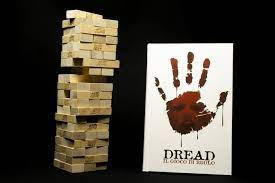
The Underclock achieves these goals but I have an alternate proposal: Let's take a page from Dread


Dread Encounters


Whenever the party takes a meaningful action in the dungeon, they must pull 1 block from a Jenga tower.

A meaningful action is:
  • Entering a new room (exploring it and seeing what's there at a basic level)
  • Completing a full search of a room with the entire party (finding all secrets, traps and treasure)
  • Completing 1 normal combat
  • Doing something that makes a lot of noise (eg kicking down a door)
  • Completing a short rest
  • Moving through 3 rooms that have already been explored
  • Anything that takes around ten minutes
Whenever the tower wobbles, tilts, or almost falls over, give the players an Omen. They hear the beast in the distance. They see it's footprints. They smell the bitter iron tang of it in the air. Foreshadow the incoming danger to push up the suspense. 

When the tower collapses, the beast descends. The party has a Dread Encounter.


Beauty and Terror


A dread encounter should be monstrous. A major twist that's much, much more terrible and damaging than a normal random encounter. Some examples could be:
  • The evil forces accomplish a critical part of their plans. The lovecraftian entity is summoned. The hostages are killed. The ancient relic is lost forever. The rival party got to the treasure first and stole it.
    • This is a good default option. Think about what your factions want and have them achieve a major part of it when the tower falls.
  • A terrifying monster ambushes the party.
  • The dungeon undergoes a horrific metamorphosis. The environment changes and shifts in a fundamental and awful way. The earth shakes, rocks fall and damage you, your path to the exit is blocked off, mouths form in the rock. The Underworld is hungry. 
    • A great example of when to use this would be the Tower of Soot from The Estate. The players are climbing up a chimney. When the tower falls, the fireplace is lit and the whole dungeon catches fire.
  • Morale fails. Your hirelings riot or turn on you and attack. Try using this table for hireling freakouts if you need inspiration.
  • Your body fails. The corrupting magic energies of this place distort your mind and body. A carnivorous hunger falls upon you and you need to eat someone now. One of you is possessed by an ancient spirit.
Remember that on average this will happen after 30 pulls, so this should be a major twist and change in the situation, not just a normal random encounter. In Dread, it just kills a player instantly, so don't pull your punches! Just make sure you give the players lots of foreshadowing so that it feels fair.

Resting


Taking a short rest in the dungeon means 1 block pull (ten minutes). A long rest takes 6 block pulls (1 per hour). Either way, you need to mark off a ration to rest.

If you are in a completely safe location, you can rest without making any block pulls. For example, you're in a secret room or something totally locked off from the rest of the dungeon. 


Leaving the dungeon


When you leave the dungeon and head back to town, the GM decides.

A: If this is a perilous and urgent situation then the players must pull 2 blocks to leave the dungeon. The Jenga tower then stays as it is for the next delve. 

This represents the forces of the dungeon marshalling their strength while the players stay away. Use this option if the players have left the dungeon without accomplishing any real goals - for example, they've just peeked in the dungeon and scouted around a bit.

B: If the players have bought some time, they can use their hands to shift and stabilise the tower when they're about to leave the dungeon. They can put up to 2 blocks from the top back in the tower if they choose.

This is the option to choose if they have accomplished a minor goal like finding some treasure or delaying the evil plot. If the tower falls while they're doing this, they still get the dread encounter.

C: If time is on the player's side then the players can completely rebuild the tower, resetting it back to its starting position.

This is the option to use once the players have accomplished a major goal and escaped the dungeon. Defeating a boss, rescuing a key NPC or piece of treasure, etc.

Resource Attrition


If you want resource attrition, take a black marker and mark half the jenga blocks. 

Whenever you pull a marked block, your resources deplete. Mark off a torch (or suffer other wear and tear on your equipment and resources, at the GM's discretion). If you cannot, suffer a negative condition.

If your system doesn't have negative conditions, try: Frightened (disadvantage on Intelligence and Wisdom Checks), Hungry (Disadvantage on Strength and Constitution Checks), or Exhausted (Disadvantage on Dexterity and Charisma checks). 

Players will naturally avoid the marked blocks. So they'll start off fine with no attrition, and then their supplies will start running out rapidly as they run out of blank blocks to pull. I like this sense of escalation. 

Shorter dungeons


This system is designed for longer dungeons that the players are expected to make multiple delves into. If you're planning on a one-shot or a shorter dungeon, give the tower a gentle twist so that it spirals from top to bottom.
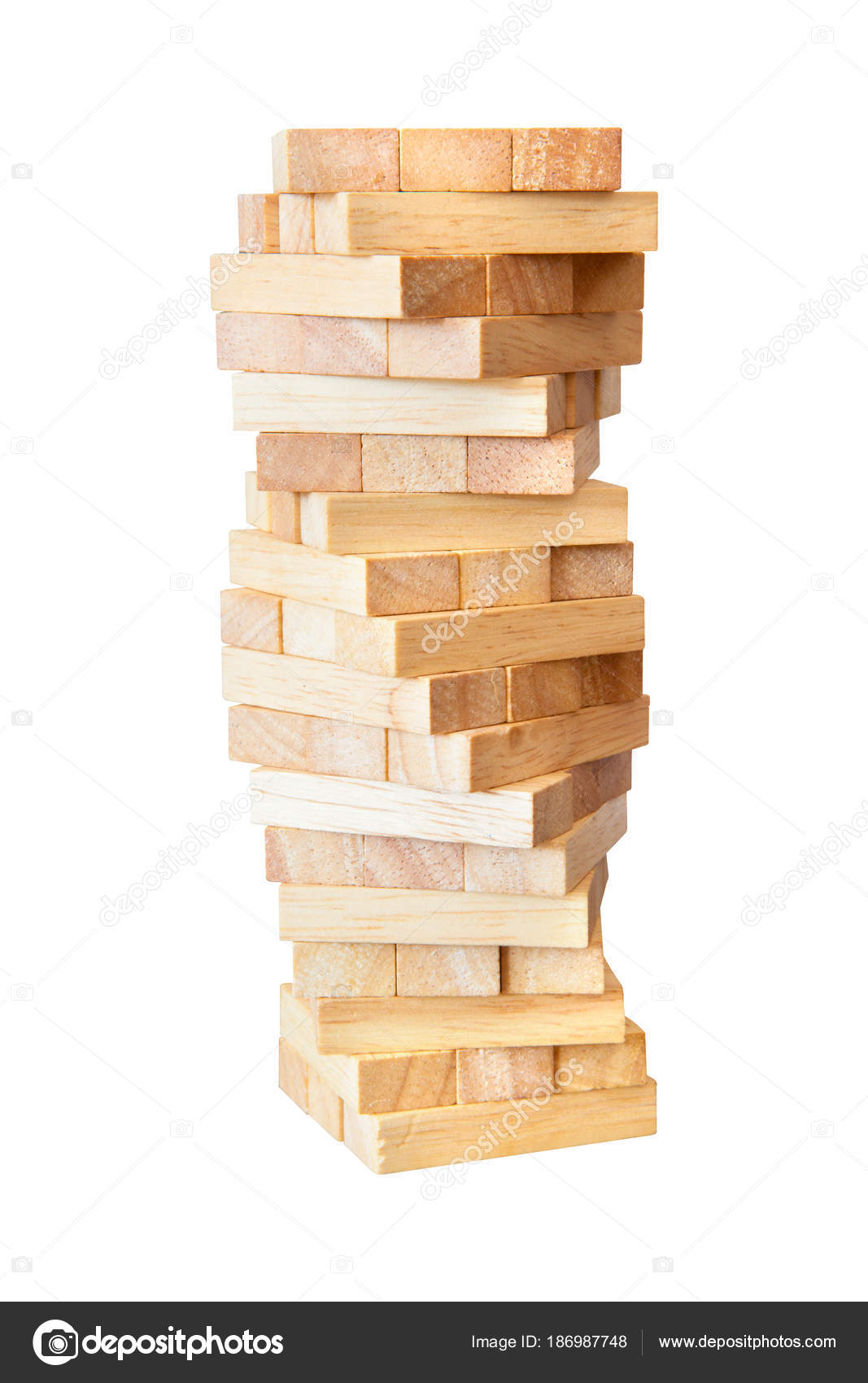

I am told this lowers the average amount of pulls down to around 12. This is the way to do it if you want an urgent situation. 


Thoughts on Random Encounters in general


I agree with Arnold that Random Encounters don't achieve the design goal of Suspense and Time Pressure. In my opinion, the core problem isn't just the encounter roll itself... it's that an encounter isn't a punishment. Encounters are fun!

After all, in a classic OSR game we should be using a reaction roll. That means the random encounter only has a 2.6% chance of attacking immediately. It's much more likely that we can negotiate with it, sneak around it, run away from it, give it some food to stop it from attacking us, etc. An encounter should be a chance to roleplay, find out more information about the dungeon, make new allies or bargain for supplies. It's more like a reward than a resource attrition timer.

(This was very noticeable in my recent Mausritter campaign, where encounters are things like: "d6 Sugar cultists, carrying buckets of honey". This isn't a punishment for taking too long! It's a charming surprise and a prime opportunity for roleplaying and negotiation. )

When we start trying to make an encounter into a punishment...  it naturally stops being fun. The true resource attrition timer encounters are things like:
"8 orcs appear, they immediately see you and attack, you cannot hide, they cannot be reasoned with, roll for initiative." 
Sure, it does work a bit better as time pressure, but it's also seriously dull. Especially when it starts happening all the time as the result of a random encounter table. The ability to bargain or negotiate or find ways around problems other than straight combat is a critical part of what makes OSR play interesting.  

So, while I totally agree with Arnold about the issues with suspense and time pressure, I don't think changing the random encounter roll will do enough to fix that on it's own. Normal random encounters create surprising, fun moments, but they aren't effective time pressure punishments. The consequences themselves need to be dire and have more build up, and I think the dread system could be a good start in that direction. 
Idea: A Foddian Megadungeon


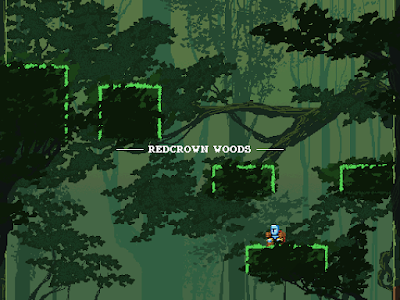
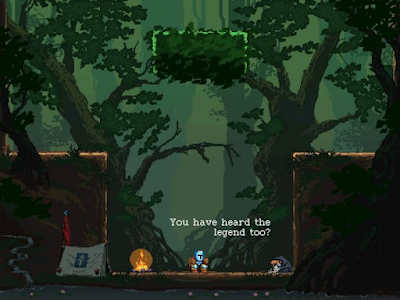
You may have heard of "Foddian Games" like Getting Over It or Jump King (named after Bennet Foddy, the creator of Getting Over It). What makes these games unique is that they push you into situations where you have to risk losing all your progress and starting again from scratch. They are deliberately frustrating, but also very satisfying to master.

In Jump King, you leap upwards, propelled by rumours of a smokin' hot babe at the top. Each time you jump, you risk losing your progress and tumbling all the way back to the start of the game. As you leap higher, you meet ruined and broken men, their legs shattered. Seek not the babe, they tell you. She must be only an illusion. A hopeless fantasy. No man can make those jumps and live. 


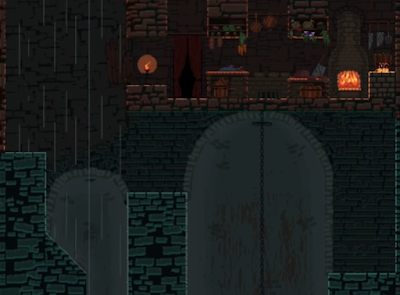
One of the things that makes this interesting is the way it plays with risk and reward. You have safe areas that act like checkpoints. This area with the fireplace is one example. The floor is solid, so you won't lose your progress if you fall. Reaching this area is really satisfying, and this space feels safe and warm.


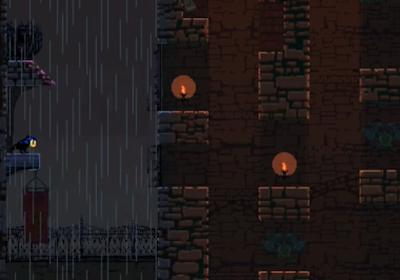
Then you get higher up and the game tempts you with this treasure.


If you want the coin this crow is carrying, you have to leap out of your safe zone, into the rain. You run the risk of falling way down, past your safe area, into the drain, losing a whole heap of progress. Can you take the risk? This creates a huge feeling of tension and danger.

So I wonder - could we make a fun Foddian dungeon?


The Tower Of Babel


The wretched fools tried to make a tower to reach God. Some even say they succeeded. Either way, they were struck down and scattered, turned into all manner of hideous beasts, their language split into many tongues so that they could never dare their hubris again. Now desperate men and heathens return to the ruins of that tower, seeking treasure - and perhaps even the fabled Door to Heaven. 


It's a vertical dungeon with a complete and total focus on traversing the environment. Your goal is to get as high as you can. The dungeon is all about climping the walls, swinging on the chandeliers, dangling from grappling hooks, balancing on the rafters, tiptoeing around rotten floors, finding ladders and ropes and secret passages that lead higher. Ultimate verticality. 

Don't reward your players for role-playing.

In old RPG's, there's no reason to role-play. It doesn't give you any kind of in-game advantage or mechanical bonus. Many new-school RPG's have tried to fix this by giving out Checks,* Action Points, or - in 5th edition - Inspiration Points as a mechanical reward for role-playing. I think this is a bad idea, because extrinsic rewards destroy the intrinsic fun of role-playing.


Mario's jump is Intrinsically fun. This means you don't need to be rewarded for it: the activity is rewarding in itself. You could put Mario in an empty room, and leaping three times his body height with a "Broing!" would still be fun.  It's so great that we ended up putting it into almost every video game ever made. Whether you're playing a robot or a detective or a badger, if you can't press a button to leap at least half their height it feels like you've lost a limb.

This is just like Role-playing. There's no reason why you can't play original D&D as an abstract tactics game without ever pretending to be your character. Role-playing is still so intrinsically fun that everybody did it and we named the whole genre after it.

Now, imagine if Mario's jump was shitty. He just floats up and down with a sad "Bworp". To compensate, we give you a gold coin every time you jump. We've just made it Extrinsically fun. The fun now comes from the reward you get for performing the activity, not the inherent fun of the activity itself. You no longer jump just for the joy of it: you are jumping for the reward. When you give people points for role-playing, you're hoping to motivate them with an extrinsic reward.


I have an intrinsic dislike of extrinsic rewards. The game should be inherently fun: you shouldn't have to convince me to keep playing by giving me in-game lollies. I don't need to play games to get the experience of completing a boring activity for the reward, I get enough of that in real life. If you play video games, though, I'm sure you can think of plenty of games where you do just that. External rewards are so powerful that they've even made deliberately bad games like Cow Clicker successful.

Of course you may be thinking - what if we keep Mario's jump as the fun and exciting mechanic it is, but ALSO give you a gold coin every time you do it? This is the reasoning behind giving players points when they role-play. Intrinsic fun AND extrinsic fun, that must combine to make the game more fun than ever, right? 

Well, research has found that's not quite true. In the words of this literature review: "...expected tangible rewards made contingent upon doing, completing, or excelling at an interesting activity undermine intrinsic motivation for that activity." Giving out an extrinsic reward destroys the intrinsic fun. When you're rewarded for performing an activity you enjoy, you lose interest in performing it for it's own sake. You stop jumping for joy and start jumping only for the reward.

Also, check out this summation of the effect of extrinsic motivations on children. If you take an activity that children enjoy, reward them for it, then take that reward away, they may stop doing it altogether. External rewards are so powerful that they lead kids to lose track of what they enjoyed about the activity in the first place. Parents take note.

Now, I don't believe external rewards are evil. Most of us give out XP for going on adventures, and even Mario gives you points for jumping on Goombas. The difference is that these mechanics are there to give a sense of progression, while rewarding people for roleplaying is intended as a way to change player behavior.


In D&D, you start as a scrawny guy killing rats, and playing that way makes you into a king killing dragons. In Call of Cthulhu, you start as a rich, sane and well-adjusted guy and play until you become homeless and insane. They move in opposite directions, but both mechanics aren't so much there to reward you as they are to make sure that the game you play tomorrow is different from the game you played today. Neither exists to make the players do anything they weren't already going to do. You could still undermine the intrinsic fun of adventuring if you overdo it with constant rewards and treasure, but I don't think it's an inherent problem with XP.


In comparison, I always see role-playing reward mechanics recommended as a way to change how people play. You do it to make them role-play more. It's a type of behavioral conditioning, a skinner box made to get your friends to behave the way you want. You shouldn't need this. If you have a player who's shy and doesn't role-play much, why use a passive-aggressive rewards system to punish them for playing that way? If you dislike the way someone plays, why not just talk to them about it? Extrinsic rewards are just going to make them enjoy role-playing even less than they did in the first place.


An interesting part of that first literature review is that verbal rewards actually enhanced intrinsic motivation. Do you laugh at your players jokes? Do you say "Well done," when they carry out a clever plan? Do you say "That was awesome," when they perform some dramatic role-playing? Then congratulations, you're already externally rewarding their behavior in the best way possible.** You don't need to give them imaginary points to try and control how they act at the table.

Role-playing is one of the most intrinsically fun things you can do at a table. If your players don't want to do it for whatever reason, I think the last thing you should do about that is layer an extrinsic rewards system over it.

*This used to say "awesome points" instead of "checks". I edited it because I realized that I don't have a problem with the awesome point mechanic from Old School Hack. It's a mechanic that lets anyone give a player XP for any reason, rather than an attempt to encourage role-playing. The Check mechanic from Torchbearer - where you need to role-play your character's flaws in order to make camp - is more like what I'm talking about.

**The paper seemed to suggest that controlling verbal feedback still diminished intrinsic motivation. That is, saying things that attempted to control their behavior (eg, "You should keep up the good work,") - were worse than things that just gave information on how well they were doing (eg, "Nice one."). What I've taken from all this is that you should just chill out and avoid trying to control your players.

The research I've done is of course haphazard. If anyone has an issue with the conclusions I've drawn, bring it up.

Unknown & Unknowable


I've been thinking about two things recently: board game design, and Patrick Stuart's stuff (specifically the dire warnings about
the Derro that are currently controlling you with subterranean rays). This has made it pretty obvious that the Board Games that currently exist can't achieve the following effects:
  • Doubt that something exists.
  • The feeling that you should not seek to determine whether or not something exists.
  • Knowing that something exists, but having no comprehension of how, why, or to what purpose.
  • The understanding that the world is based on systems you cannot and should not understand. 
This is why all Lovecraft-themed board games are failures. If you do not understand something about a board game, that's down to unclear or unintuitive rules, and the game has failed. Unknown and unknowable things are anathema to board games.


Here's some possible ways to fix this:
  1. A single player is  given knowledge of the rules, and told to keep them secret at all costs. All other players know how to interact with the system, but do not understand the full implications of those interactions.

    This is the solution Videogames and Tabletop RPG's use. The advantage of a videogame here is that the all-knowing player is a machine, which cannot explain itself and has no friendship with you. The advantage of a human is that they aren't restricted by rules.
  2. Each player is given knowledge of only a single part of the rules, like a revolutionary cell. These sections of rules all combine into a machine that is beyond the understanding of all players, and works against them with a malevolent intelligence.

    At the start of the game, Player A is told to arrange the cards in a specific order. Player B is told what activates specific cards. B gives the cards to C, who knows what the cards actually do. All players conceal their information, because they're working against each other. This means they don't realize the disasterous impact of the tasks they're performing until it's too late.


  3. You are not told the implications of your goals until you've achieved them.
    Risk Legacy does this with the packets above. Each packet holds something that changes the game permanently; you don't know how the game will change until the packet is opened.

    It's easy to imagine this taking lovecraftian significance. You are told that packet 9 will hold something wonderful. You make great sacrifices to open it - but as you do, you unlock other packets, which hint that something appalling lurks in packet 9.

    Spoilers for Risk Legacy:
    Hidden in the box, under the insert, is a small packet that says "Do not open. Ever."
    The contents of this packet is selected randomly. Even the creator doesn't know what is in your packet, and whether or not you should open it.

These ideas also have the side-benefit of making the game simpler to teach: You don't need to know every rule, just the bits you need to interact with. It all assumes there is some benefit to making a board game you can't understand, when it's so easy to make an RPG or videogame you don't understand.